
Brannon Patrick, LCSW
“I will create a safe space for you to work through your deepest shame and gain consciousness about the systems that are causing you harm.”
For more than 20 years Brannon has worked with people who were taught that their sexuality is the enemy. He has also worked with the partners left holding the damage after betrayal. He grew up in it himself. He is a therapist, a writer and a podcast host. He says out loud what most people in his office have never heard anyone say.
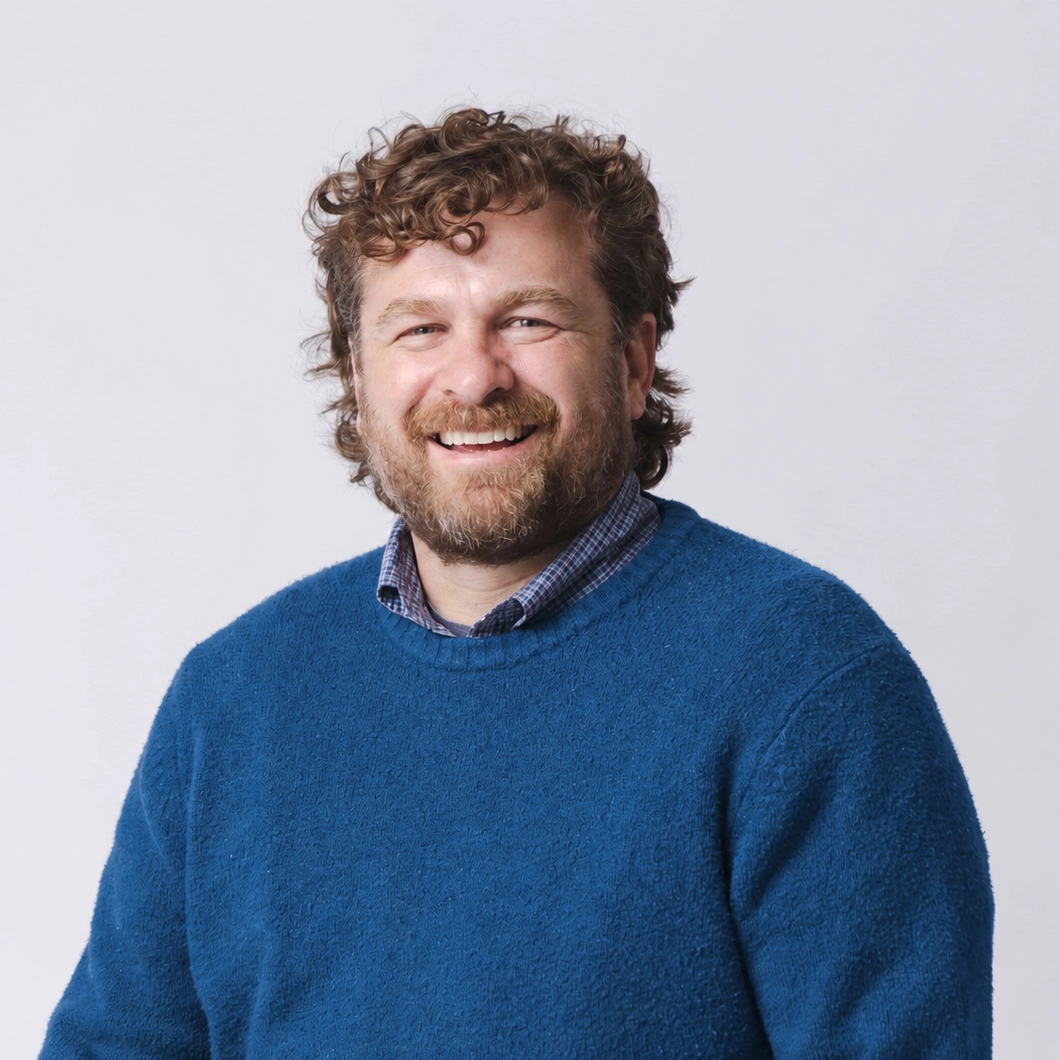
I spent years teaching men to fight their sexuality. Then I watched what it did to them. Today I help people untangle the shame that drives secrecy, compulsive sexual behavior, infidelity and broken trust, so they can heal and build honest, connected relationships.
Growing up
Raised in a Mormon home
I grew up in a very Mormon family. Religion was the center of our family and a huge part of our life. From a young age I learned that being worthy of God’s love meant being pure. We were taught that sexual sin is second only to murder. We were not supposed to masturbate, look at porn or have lustful thoughts. We were even taught that the natural man is an enemy to God, and that being good meant constantly fighting against ourselves.
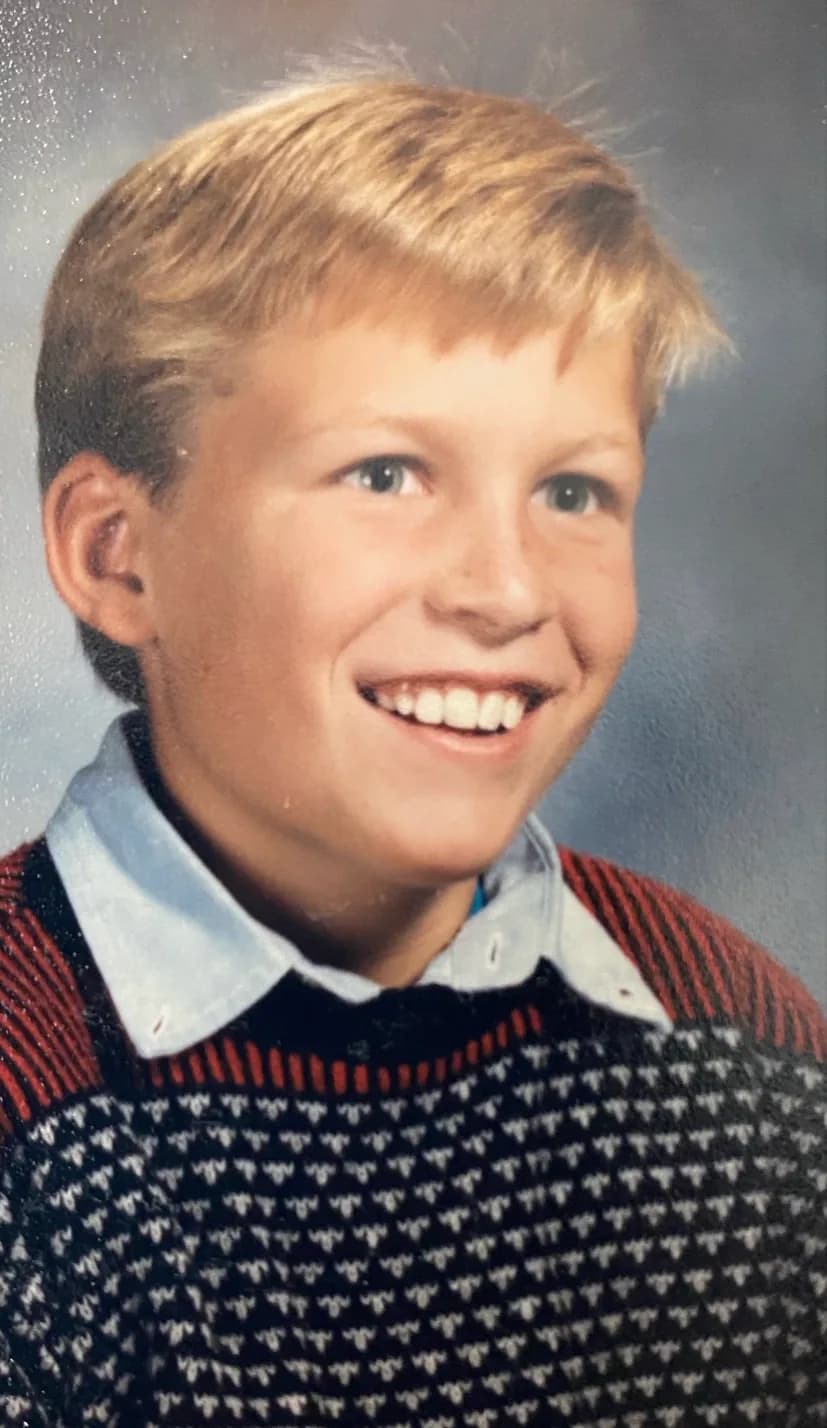
Age 12
The first question
When I was 12, a church leader asked me if I had been masturbating. I did not even know what it was. He explained it and told me to avoid it. At church meetings and conferences I heard again and again how bad pornography is, that being gay was evil, and that the only right kind of sex was between a husband and wife in marriage.
The internet years
Everyone went underground
Then the internet arrived, and sex was everywhere. Pornography was easy to find, and many of my friends were watching it. Church leaders turned up the rhetoric, and my friends went underground. Most people start masturbating at 10, 11 or 12, yet nobody talked about it, because deep down everyone believed something was wrong with them that they had to fix, control or change.
Becoming a therapist
Leading the crusade
I carried all of that into adulthood, and then into a career. In my most righteous state of mind, I decided to lead the crusade. I became a therapist to help people be pure, clean and worthy. I spoke in churches, taught lessons and presented at events about lust, pornography and masturbation. I ran groups where men counted sober days and tried to white-knuckle their way out of being sexual at all.
The turning point
I was part of the problem
For years I watched it fail. The men felt worse about themselves. They showed up weaker in their relationships, without healthy boundaries, playing Mr. Nice Guy, unable to build trust. It rocked my world. I realized I was feeding a message that created shame and taught people to reject themselves. I was part of the problem.
Surrender
“I got this.”
Around the same time, I was trying hard to be good enough. One night I prayed for a certain outcome and bargained with God: I will be perfect if you give me this. Instead, I felt God call me to repentance and tell me, “I got this. Stop trying to take control.” It was a profound moment of surrender. It also showed me something about my work: forcing sexual purity was pushing people to act out sideways. They needed to learn surrender, not more control.

Private practice
In the trenches
When I first went into private practice, I specialized in treating betrayal trauma, and I was in the trenches with couples in the most difficult situations. They were hurting, they were broken, and they did not know how to heal. I have received specialized training in how to address those relational issues and help partners who have been cheated on go through their own healing process. I am very good at holding space both for the person struggling with an addiction and for the person who has been hurt by infidelity and betrayal. I understand the pain and the struggle on both sides, and I help each person do their own healing so that they can then help the relationship heal. I have done this for over 20 years and become an expert in addressing both sex addiction and betrayal trauma, and in helping couples heal from infidelity and broken trust.
Podcast
The Betrayed, The Addicted & The Expert
I took the conversation about betrayal and sex addiction out of the therapy room and into a podcast, The Betrayed, The Addicted & The Expert.
Retraining
Getting to the root
I decided that if I had been part of the problem, I would become part of the solution. I trained as a Certified Sex Addiction Therapist (CSAT) and in trauma therapies including Internal Family Systems, EMDR and ART, because they reach the roots. We still use tools to prevent relapse, but real recovery means recovering an understanding of who you are, and that takes deeper trauma work.
Working in practice
Holding space for both
In practice I work with individuals and couples, holding space both for the person struggling with an addiction and for the partner who has been hurt by betrayal, and I help each of them do their own healing. And I keep searching for the best ways to treat trauma at the deepest level.
Going deeper
Healing at the deepest level
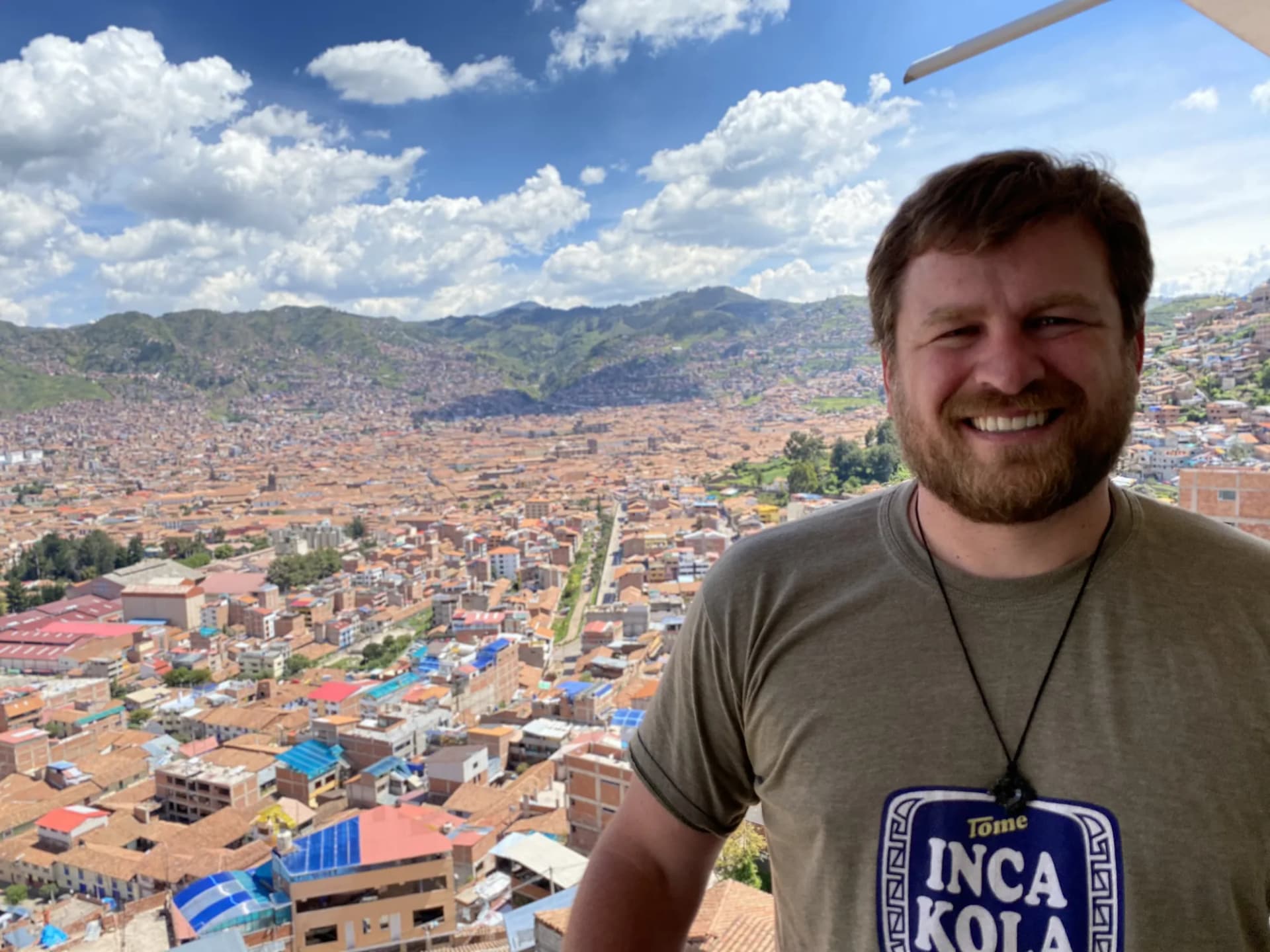
That search led me to places like Peru and Costa Rica, where I went through deep, profound spiritual healing journeys and found answers for myself. I have watched many of my clients go to those same depths, heal the parts of themselves they had exiled, and come out freer, more honest and more at peace with who they are.
Therapy Utah
Building clinics
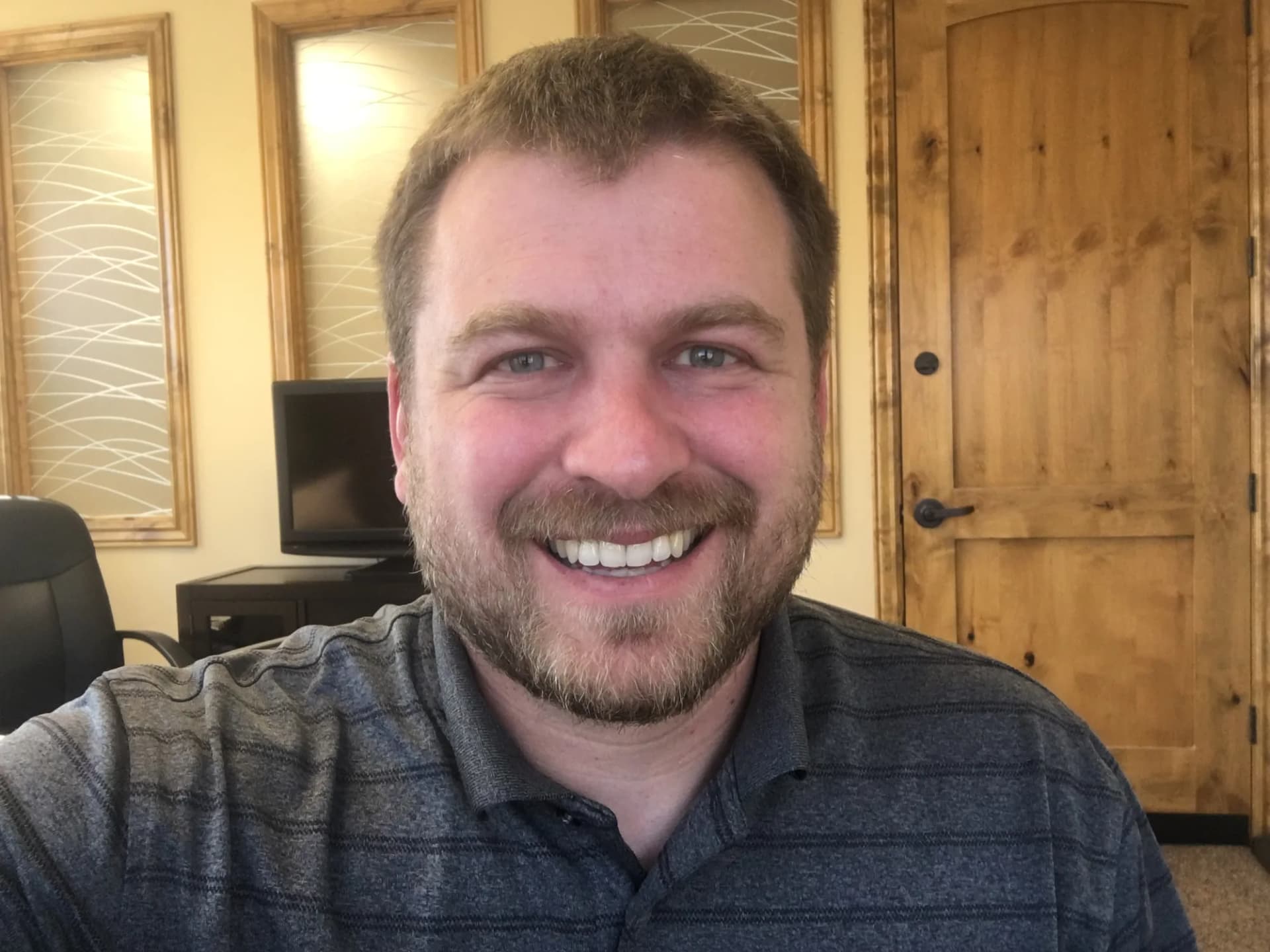
With the retraining behind me, I went to work as a Licensed Clinical Social Worker. I have built clinics and businesses ever since, and I am an entrepreneur as much as I am a therapist. I built Therapy Utah. I was stuck in a partnership with somebody who wanted to continue the old ways of doing treatment, driving home shame, fear and control. I was unwilling to keep being a source of the problem, of the shame, so I broke away from developing that program to focus on the deep healing work it actually takes to heal from trauma and sex addiction.
Therapy Brothers
A practice with my brother
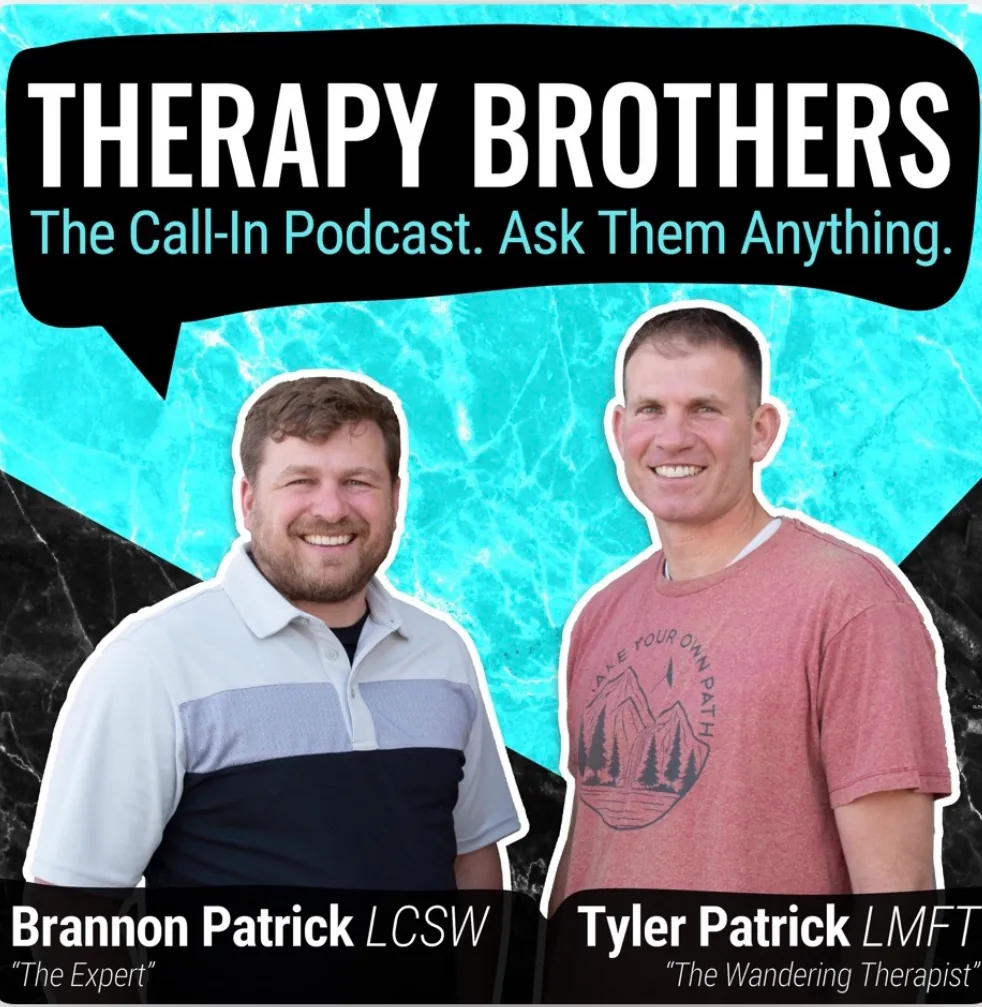
I left and founded Therapy Brothers with my brother, who is a therapist too. Two clinicians in one family, with the same last name and very different styles. We started a podcast together in Utah and took calls from anyone who wanted to ask a therapist something they could not ask anyone else.
My own show
The Brannon Patrick Show
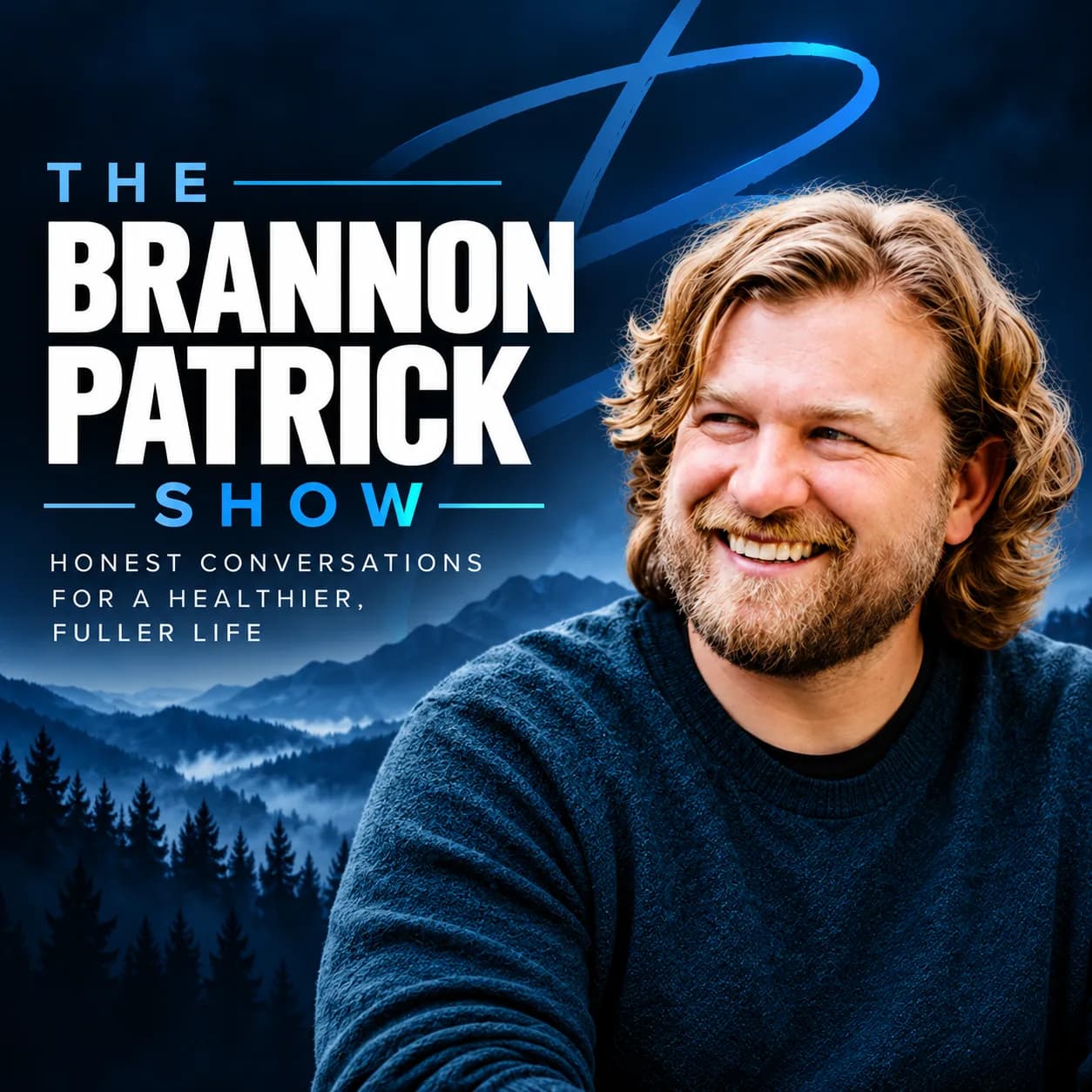
Then I started my own show, The Brannon Patrick Show, where I get to be unfiltered: completely open and direct about what I see, not shying away from taboo, hard topics, and saying things that need to be said, even if people do not like it. Open, honest conversations, philosophical topics, and learning what actually leads to real healing. By then I was already selling online courses here on brannonpatrick.com, including Healing After Your Heart's Been Shattered and Helping Her Heal After Shattering Her Heart.
A public voice
Saying the hard things
I have been podcasting about betrayal and sex addiction for over a decade, and I have appeared in documentaries and on TV, including the Hulu documentary Devil in the Family: The Fall of Ruby Franke, where I broke down the cultural systems that create this shame. I am willing to say hard things, even when they go against cultural norms, because those norms cause real pain.
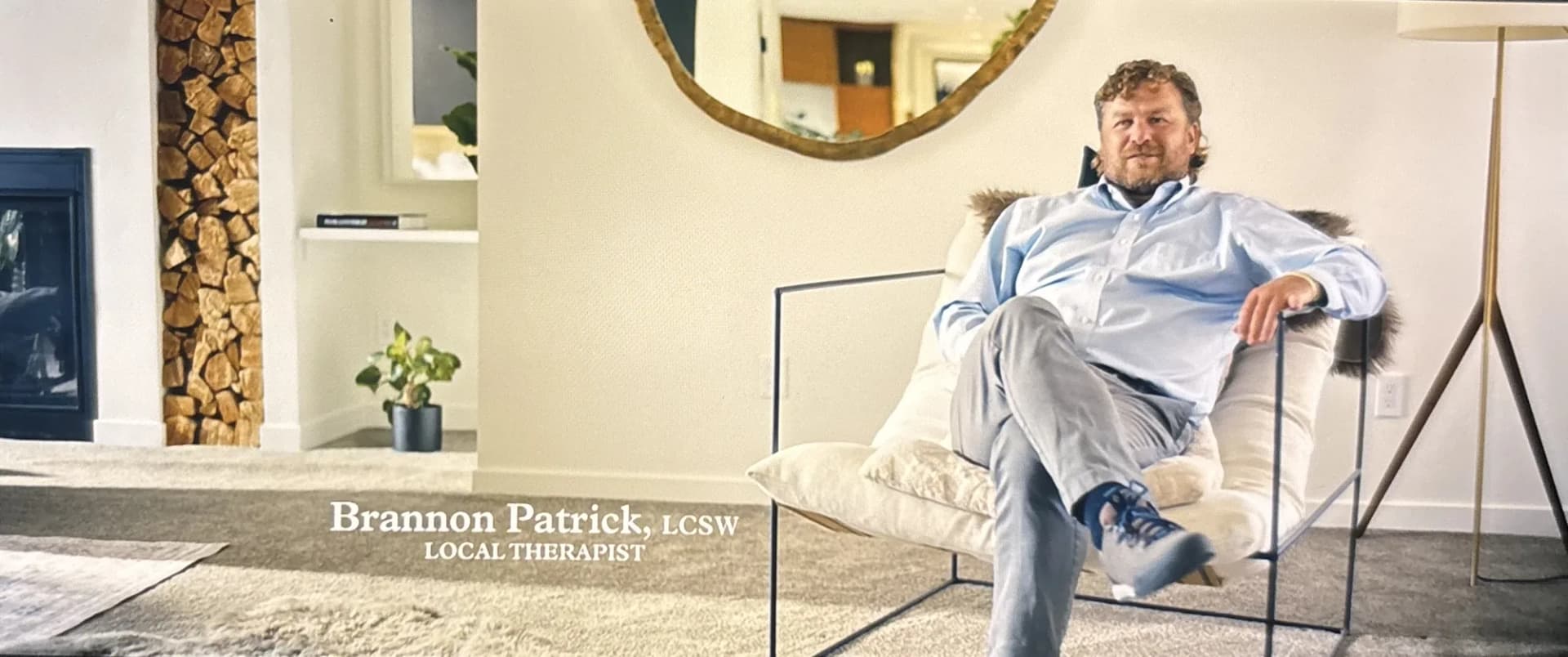
Brannon in Devil in the Family: The Fall of Ruby Franke, a Hulu original.
My own practice
Traverse Family Therapy
Then I opened my own clinic, Traverse Family Therapy, and I run it the way I know works. I train and support the therapists there and help them thrive, we work on root causes rather than behavior alone, and we walk people through a real process of healing. The practice sees children, teens, families and couples, with my own work still specialized in betrayal trauma and sex addiction. It is the room where all of this actually happens, one family at a time.
Today
Undoing the shame
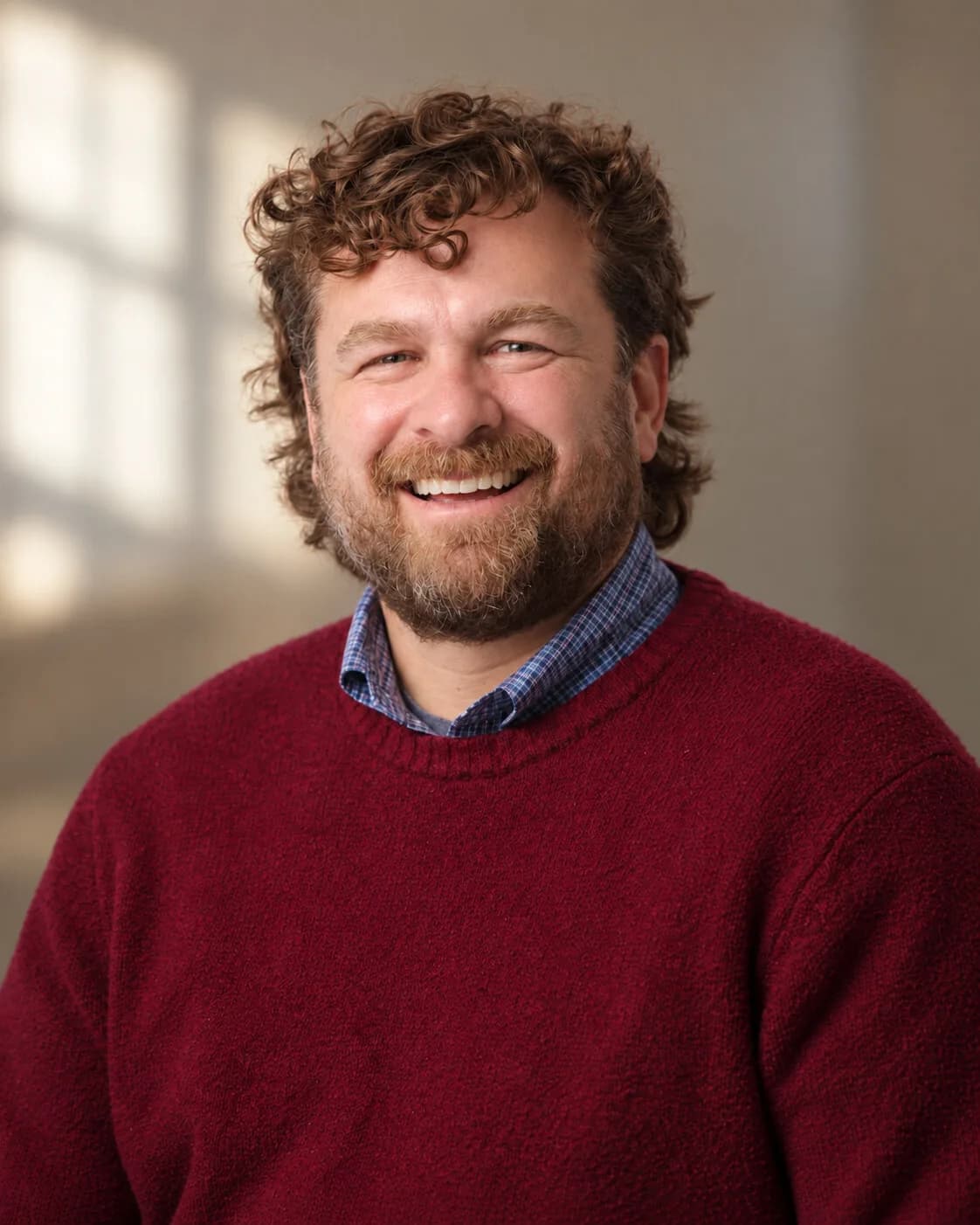
Today I do the opposite of what I used to do. Instead of building systems of shame and “shoulds,” I undo shame and give people permission to heal. I have spent thousands of hours with couples on the hardest issues, including betrayal trauma and broken trust, and I help betrayed partners understand and move through their own healing.
Now
Passing it on
One room only holds so many people, and I have taught through online courses before. What I am building now is a larger set, and a new one: six courses, four of them on subjects I have never put into a course, and the two that people asked for most, recorded again from scratch. It is the same work I do with couples and individuals, in a form somebody can start on their own, at home, before they are ready to sit in front of anyone.
Training
- Licensed Clinical Social Worker (LCSW)
- Certified Sex Addiction Therapist (CSAT)
- Trained in Internal Family Systems, EMDR and ART
“I've learned so much from you, personally and professionally. Thank you for your brilliant work. It is so important.”
 Instagram
Come on this journey with me
My programs go deeper than people expect. The work is harder than fighting your sexuality, and far more effective.